- Home
- Consulate
-
Consular Services
- Passport Related Services
- Miscellaneous/Attestation Services
- Global Entry Program (GEP) For Indian Nationals
- Emergency Travel Document (Emergency Certificate - EC)
-
Visa Services
- Visa Guidelines for USA Passport Holder
- Tourist Visa
- E-Visa
- Emergency Entry Visa Guidelines
- Business Visa
- Type of Visas
- Employment Visa
- Important Advisory on Fake Indian E-Visa Websites
- Transit Visa
- FAQ's on Visa
- Medical Visa
- Student Visa (Study/Research /Internship)
- Entry Visa
- Conference Visa
- Mountaineering Visa
- Journalist Visas / Documentary Filming in India
- Film Visa: Visa for shooting Feature Films
- Visa for Pakistani Passport Holders/ Foreign Passport holders of Pakistani Origin
- OCI (Overseas Citizenship of India) cards
- Renunciation of Indian Citizenship & Surrender of Indian Passport
- Do's and Dont's for Indian Emigrants
- Guidelines for adoption of Indian children
- Helpful Information
- Photograph Specifications
- Registration of Indian Nationals
- Commercial Resources
- Emergency Services
- Community Resources
- Education
- Media Room
- Contact
Events/Photo Gallery
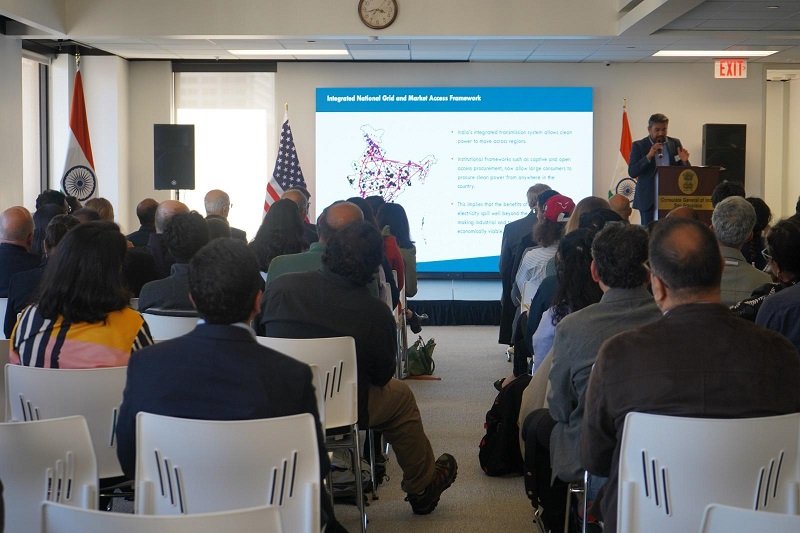
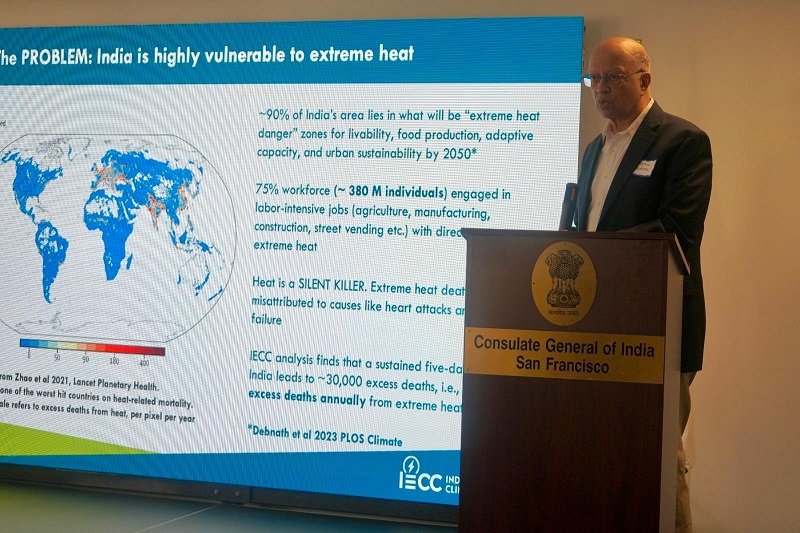
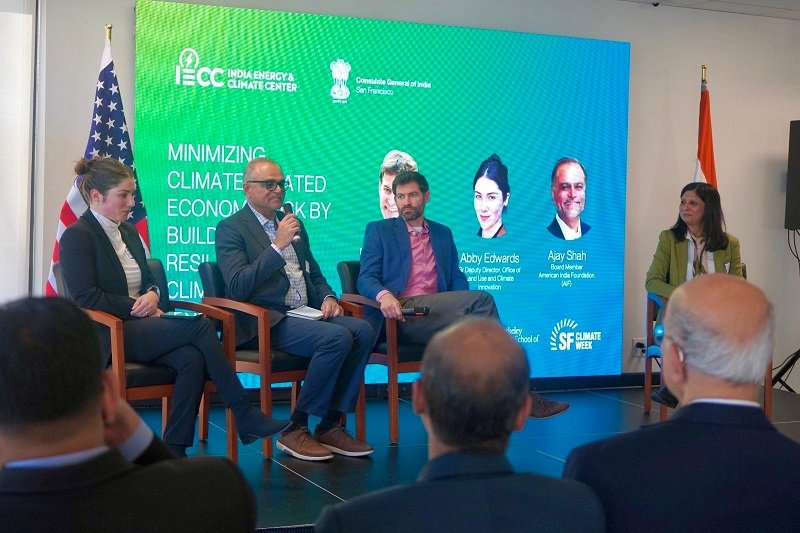
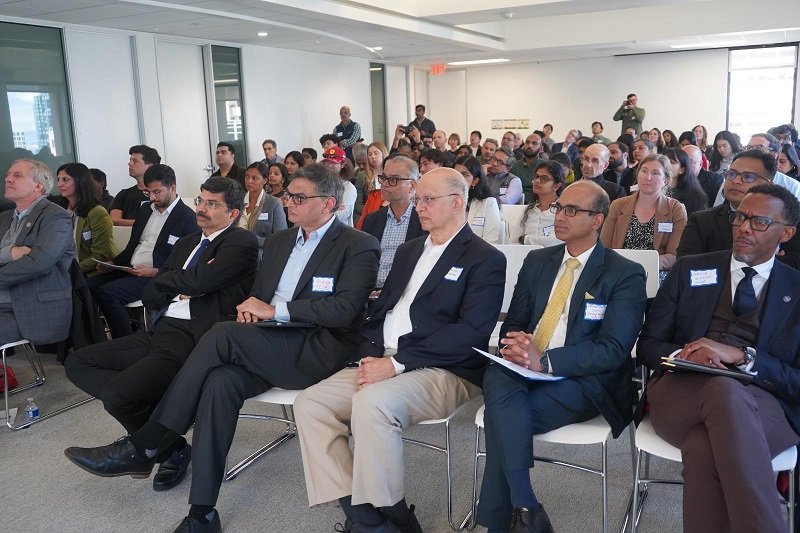
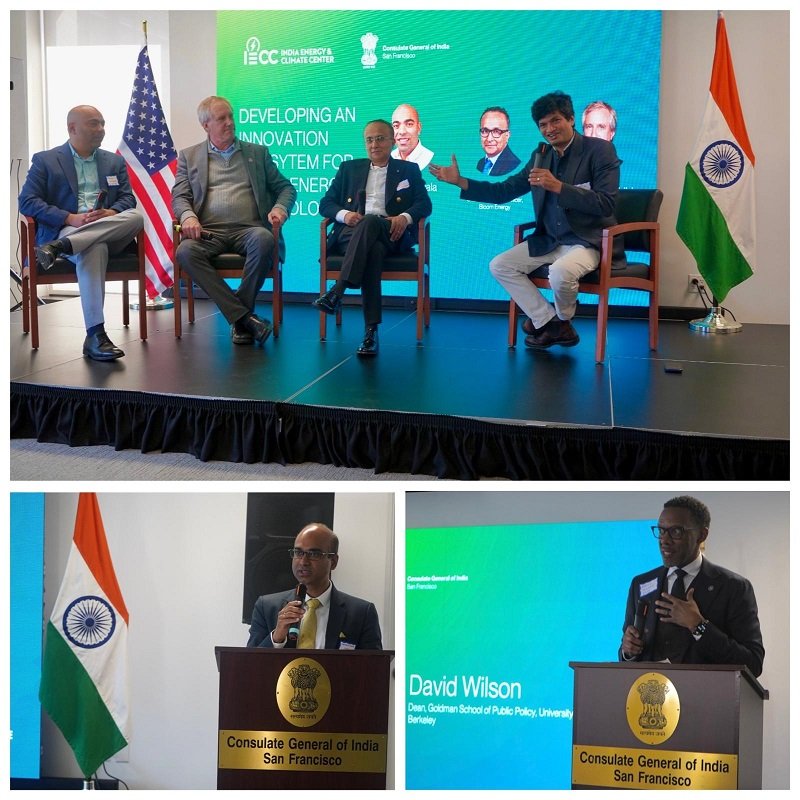
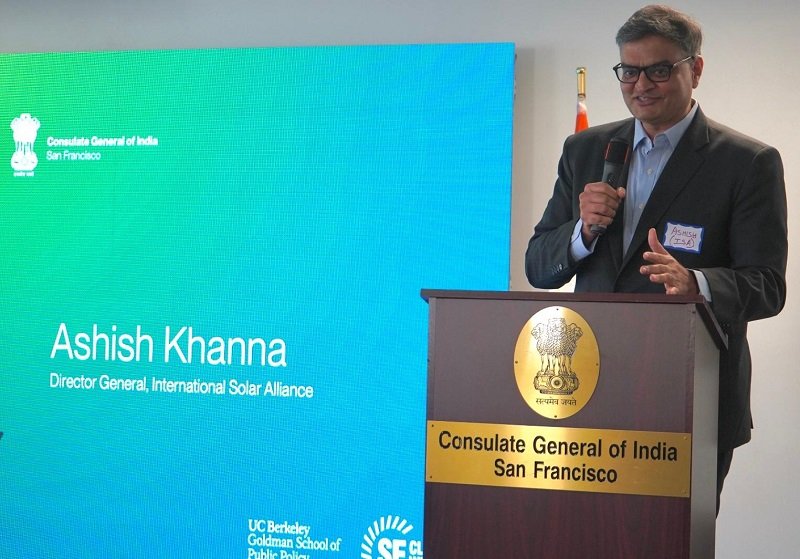
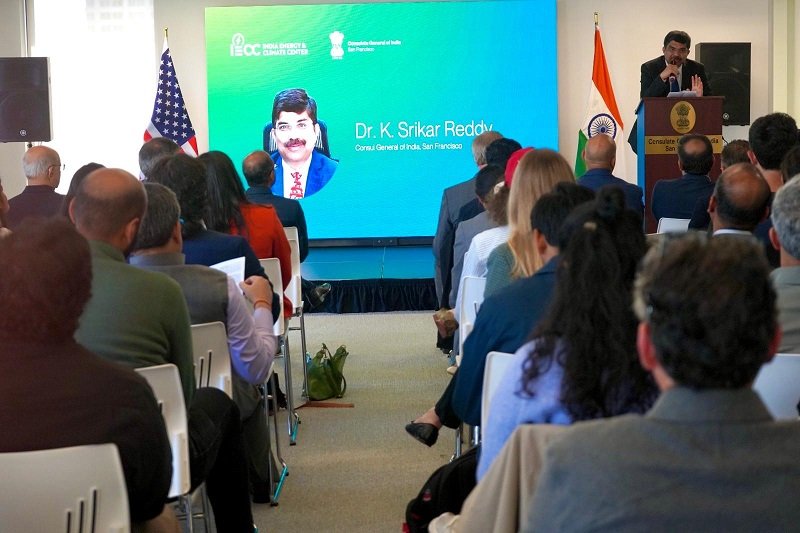
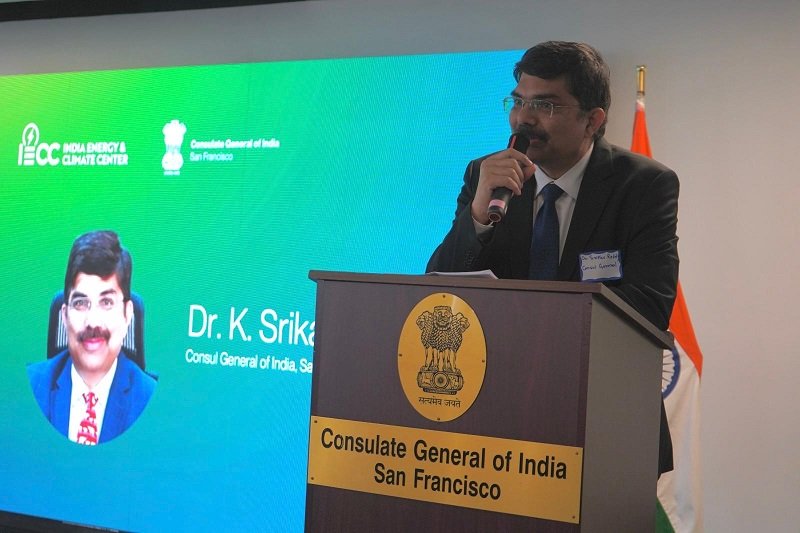
On Earth Day, Consul General Dr. K Srikar Reddy set the tone for a high-level event hosted by the Consulate General of India, San Francisco and the India Energy & Climate Center at UC Berkeley, held at the Consulate premises on 22 April as part of #SFClimateWeek. Leaders from India and California came together to advance collaboration on clean energy and climate resilience. Consul General opened with a compelling snapshot of India’s trajectory, spotlighting its progress in exceeding climate commitments while sustaining rapid growth, alongside a bold target of 500GW of renewables by 2030. He pointed out accelerating expansion in solar and wind, backed by scale-up in domestic manufacturing, rooftop solar for millions of households, and farmer-focused solar solutions, while also emphasizing a strong push for deeper India–US/California collaboration in clean tech. He added that India is among the few large economies to have met its commitments under the United Nations Framework Convention on Climate Change and the Paris Agreement, is already ahead of its 2015 pledges and NDC targets, and continues to strengthen its climate ambition while sustaining strong economic growth. David Wilson, Dean, Goldman School of Public Policy, UC Berkeley, welcomed participants and described India as central to the global climate transition, noting its ongoing shift to renewables and rising share of non-fossil energy, while highlighting the importance of India–California partnerships in translating research into tangible outcomes. In his keynote, Ashish Khanna, director general, International Solar Alliance, made the case for scaling renewables through digitized, flexible power systems enabled by AI, data systems, and modernized utilities. He stressed the need for stronger data architecture for grids, where AI and data unlock the next phase of renewable scale, blending India’s cost innovation with California’s technology and storage ecosystem. The first panel zoomed in on building that innovation engine. With a presentation by Nikit Abhyankar, co-faculty director, India Energy and Climate Center, and moderation by Amol Phadke, faculty director, IECC, speakers Ashish Motivala, venture advisor, DNX Ventures; Ravi Prasher, CTO, Bloom Energy and David Hochschild, Chair, California Energy Commission, shared perspectives on aligning policy, capital, and technology to deliver on-the-ground impact. Panel 2 offered perspectives on how stronger resilience can reduce climate-related economic risks. Ashok Gadgil, head of research for climate resilience, IECC, opened with sharp insights on adaptation strategies, laying the groundwork for a dynamic discussion moderated by Shruti Deorah, executive director, IECC. Panelists Abby Edwards, senior deputy director, CA Governor’s Office of Land Use and Climate Innovation; Ajay Shah, board member, American India Foundation; and Noah Diffenbaugh, professor, Stanford Doerr School of Sustainability unpacked how policy, philanthropy, and climate science can come together to reduce vulnerability and build resilience. The session closed with Abhishek Sharma, Consul, reinforcing the importance of sustained cross-border cooperation on climate adaptation and risk reduction.
April 24, 2026